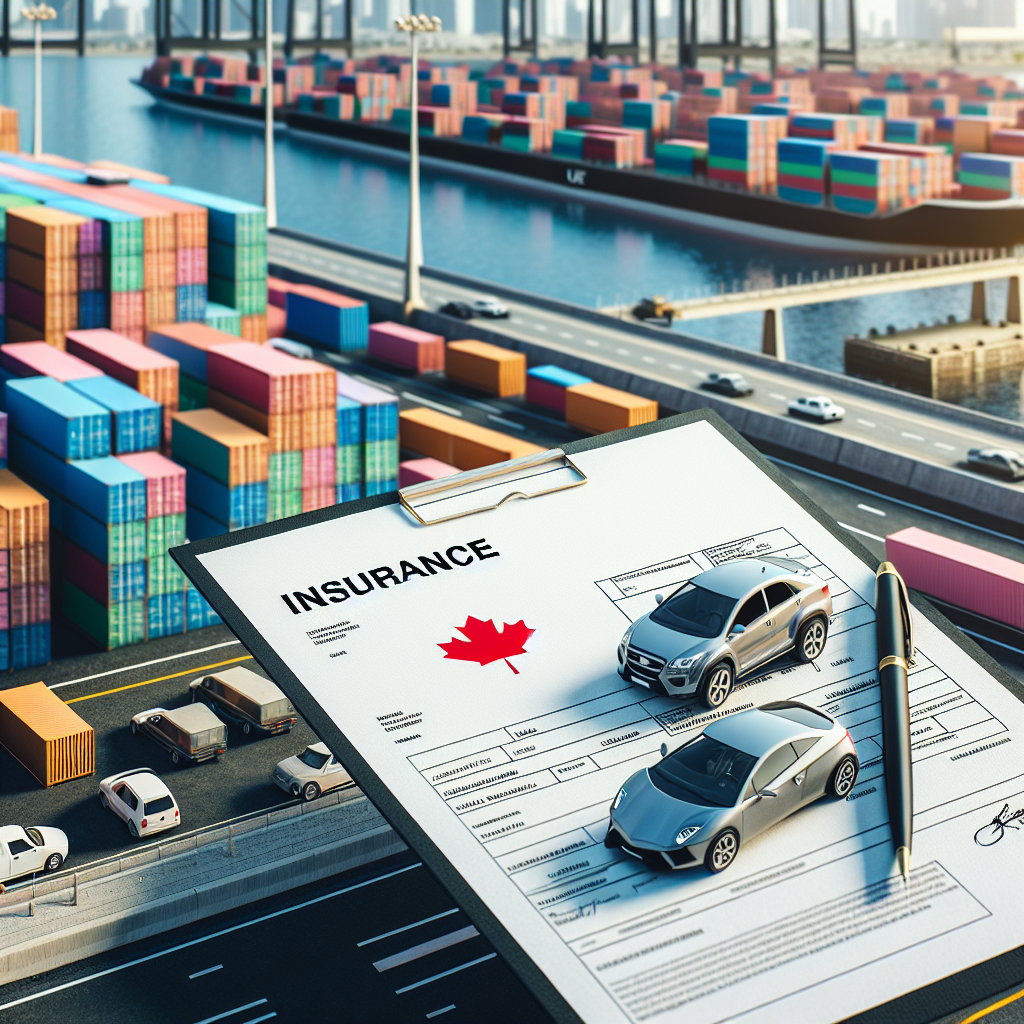


Korea Car Customs Clearance Cost: A Comprehensive Guide
Understanding Car Customs Clearance in Korea
When importing a vehicle into South Korea, navigating the complex customs clearance process is essential. This guide aims to break down the various aspects of car customs clearance, focusing on the associated costs. Whether you’re a foreign national moving to Korea or a local business involved in importing vehicles, understanding these costs can save you time and money. Also, check out this importing cars from Korea to UAE and related article.

The Importance of Customs Clearance
Customs clearance is the legal process that allows imported goods to enter a country. For vehicles, this implies ensuring all applicable duties, taxes, and regulations are met. In Korea, the customs clearance process can be intricate due to various tariffs and regulatory requirements that need to be addressed.
Factors Affecting Customs Clearance Costs

The total cost of customs clearance in South Korea varies depending on several factors. Understanding these can help you anticipate the financial requirements associated with importing your vehicle.
1. Customs Duties
Customs duties are one of the most significant components of the total cost for car customs clearance. In South Korea, the tariff rate usually ranges between 0% and 8%, depending on the vehicle type, origin, and specifications. For example, electric and hybrid vehicles may benefit from lower duty rates to encourage eco-friendly practices.
2. Value Added Tax (VAT)
South Korea imposes a Value Added Tax of 10% on the importation of vehicles. This VAT is calculated on the customs value of the vehicle, including the cost of customs duties. Thus, understanding the total valuation of your vehicle is crucial for estimating your overall costs accurately.
3. Additional Fees and Charges
Beyond customs duties and VAT, various other charges may apply:
- Inspection Fees: Vehicles may be subject to inspection by the Korean authorities, which can incur additional costs.
- Brokerage Fees: If you hire a customs broker to assist with the clearance process, expect to pay a fee that could range between $200 to $1,000 depending on the service level.
- Storage Fees: If your vehicle is not cleared immediately, storage fees may apply.
- Documentation Fees: There may be charges for various documents required for customs clearance, such as the bill of lading, purchase invoice, and certificate of origin.
The Customs Clearance Process in Korea
To ensure a smooth customs clearance process, it’s vital to follow specific steps. Below, we outline the key phases involved in clearing your car through Korean customs.
Step 1: Pre-Clearance Preparation
Before your vehicle arrives in Korea, make sure to gather all the necessary documents, including:
- Original bill of lading
- Purchase invoice
- Vehicle registration details
- Certificate of origin
- Proof of compliance with Korean safety and environmental standards
Step 2: Arrival and Declaration
Once your vehicle arrives, you need to make a customs declaration. This step involves submitting your documentation to the customs office and paying any applicable duties and taxes. Ensure that all your paperwork is in order to avoid delays.
Step 3: Customs Inspection
Following your declaration, customs officials may inspect your vehicle. This inspection’s purpose is to ensure that it meets regulatory standards and that the declared value is accurate. Be prepared for this inspection by ensuring your vehicle is clean and accessible.
Step 4: Payment of Duties and Taxes
After passing inspection, you will be required to pay your customs duties and VAT. It’s advisable to have a clear understanding of the costs involved to facilitate a swift payment process.
Step 5: Release of Vehicle
Once all fees are paid and all documentation is complete, you can collect your vehicle from the customs area. Keep all receipts and records in case you need them later.
Estimated Total Costs of Customs Clearance
To give a clearer perspective on the costs associated with importing a vehicle to Korea, here’s an estimated breakdown:
| Cost Item | Estimated Cost (USD) |
|---|---|
| Customs Duties (varies by vehicle price) | 0 – 8% of vehicle value |
| Value Added Tax (VAT) | 10% of customs value |
| Inspection Fees | $100 – $300 |
| Brokerage Fees | $200 – $1,000 |
| Storage Fees | $20 – $100 per day (if applicable) |
| Documentation Fees | $50 – $200 |
Tips to Reduce Customs Clearance Costs
While importing a vehicle may seem daunting, there are strategies to help minimize your customs clearance expenses:
1. Choose the Right Vehicle
Selecting a vehicle with lower duties or VAT incentives can significantly impact total costs. Research vehicles eligible for tax reductions, especially eco-friendly models.
2. Prepare Documentation in Advance
Having your documents arranged and accurate can streamline the customs process and avoid potential penalties or delays, which can incur extra costs.
3. Consider Hiring a Broker
While hiring a customs broker involves a fee, their expertise in navigating regulations can prove valuable and save you from mistakes that could be more expensive in the long run.
4. Time Your Arrival
Be mindful of timing when your vehicle arrives to avoid unnecessary storage fees. Proper planning can help ensure everything is ready for a quick clearance.
Conclusion
Importing a vehicle to South Korea undoubtedly requires careful planning and investment. By understanding customs clearance costs and following the outlined steps, you can effectively manage your expenses and facilitate a seamless import process. Always consider consulting with an expert or customs broker to ensure that you comply with all regulations and avoid unforeseen costs.